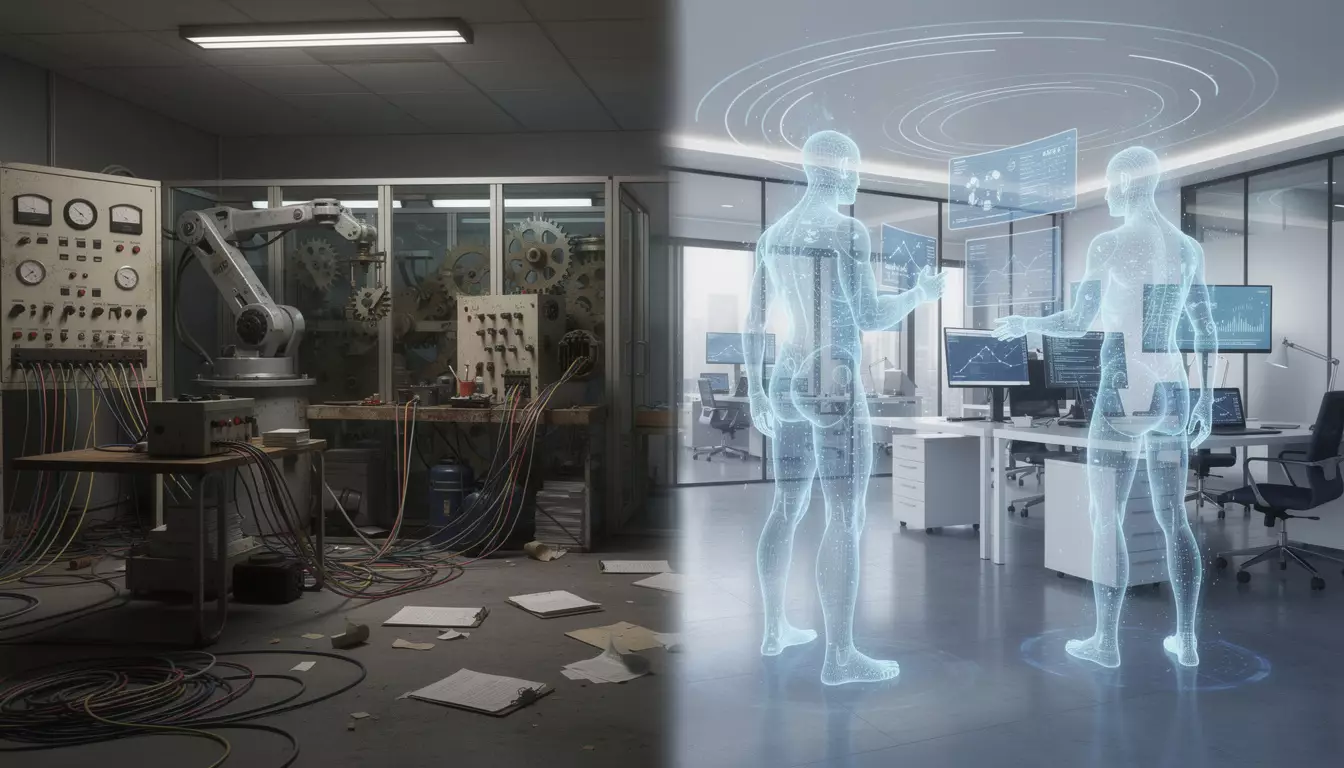
Artificial Intelligence (AI) has undergone explosive growth over the last decade, evolving from a futuristic concept into a foundational part of daily life. In 2025, AI is no longer limited to tech giants or specialized research labs—it’s integrated into homes, workplaces, transportation, healthcare, and creative industries. The shift is so profound that modern life without AI is nearly unimaginable. As innovations accelerate, AI is becoming smarter, more intuitive, and more deeply connected to human needs than ever before.
One of the biggest transformations is happening in home automation. Smart assistants now go far beyond setting reminders or controlling lights. They learn individual habits, predict tasks, and coordinate multiple devices seamlessly. AI-powered home hubs manage energy usage, recommend shopping lists, identify maintenance issues, and even ensure home security through real-time threat detection. Unlike early-generation devices, today’s assistants personalize responses based on tone, emotion, and behavior—making interactions feel more human and adaptive.
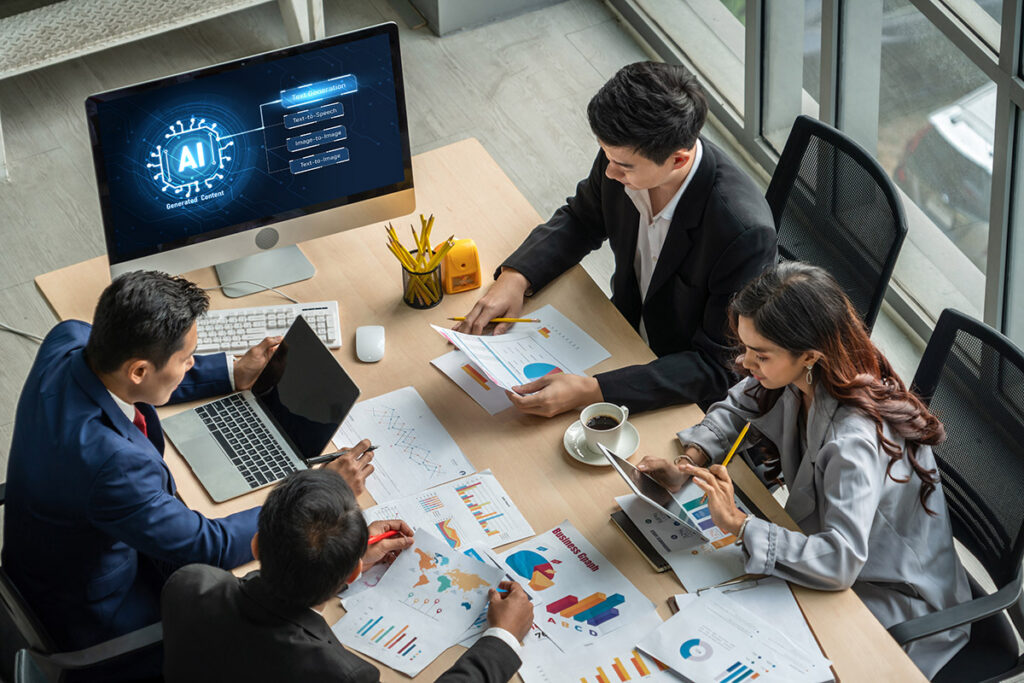
AI is also redefining workplace efficiency. Businesses rely heavily on intelligent automation to streamline operations, reduce repetitive tasks, and enhance decision-making. AI systems handle scheduling, data analysis, customer support, and workflow coordination with remarkable precision. In fields like accounting, marketing, and project management, AI tools analyze patterns and provide insights that help teams work faster and smarter. Instead of replacing humans, AI is evolving into a collaborative partner that enhances creativity and productivity by removing routine burdens.
In healthcare, AI is proving to be one of the most powerful tools for diagnosis, research, and patient care. Machine learning algorithms analyze medical images more accurately than ever, helping detect conditions like cancer, heart disease, and neurological disorders at earlier stages. Personalized treatment plans are becoming the norm, with AI examining genetic data, lifestyle factors, and medical history to tailor recommendations for each patient. Virtual health assistants also provide real-time monitoring for chronic illnesses, alerting doctors to potential issues before they escalate. These advancements are not only improving outcomes but making healthcare more accessible.
The transportation industry is undergoing a dramatic shift fueled by AI. Autonomous vehicles, once considered experimental, are now entering cities worldwide. While fully driverless cars are not yet universal, AI-driven navigation, advanced safety systems, and real-time traffic prediction are standard features in modern vehicles. Public transportation systems use AI to optimize schedules, reduce congestion, and analyze passenger flow. Logistics companies rely on AI to plan delivery routes, track fleets, and reduce fuel consumption. These innovations lead to safer travel, smoother commutes, and more efficient global trade.
AI’s influence on education is equally transformative. Intelligent tutoring systems adapt lessons to individual learning styles, pace, and performance. Students receive personalized feedback, targeted exercises, and real-time guidance—something traditional classrooms struggle to provide consistently. Meanwhile, teachers use AI tools to automate grading, analyze student progress, and plan effective lessons. This blend of human instruction and machine intelligence is creating more inclusive, engaging, and effective learning environments.
The creative industries are witnessing an unexpected AI revolution. Tools that generate art, music, writing, and design concepts have become widely accessible. Content creators use AI as a brainstorming partner, producing ideas, refining work, or handling technical details like editing and formatting. While some fear AI might replace creativity, the opposite seems true—it expands what creators can achieve. By eliminating technical barriers, AI allows artists to focus more on imagination and originality.
However, the rapid adoption of AI also raises important ethical and societal questions. Privacy concerns, data misuse, algorithmic bias, and job displacement remain significant issues. Many AI systems rely on massive datasets that include personal information, making strong security and regulation essential. Governments and tech companies are creating frameworks to ensure transparency, fairness, and accountability. The concept of “responsible AI” is becoming a global priority, emphasizing ethical design, human oversight, and inclusive datasets.
Another challenge is maintaining human skills in an AI-driven world. As AI handles more tasks automatically, there is growing emphasis on educating future generations in critical thinking, creativity, and emotional intelligence—the uniquely human traits that machines cannot replicate. The key is not to compete with AI but to complement it.
Looking ahead, the integration of AI will deepen even further. More personalized assistants, smarter cities, advanced robotics, and AI-enhanced scientific discovery are just the beginning. The goal is not to create machines that replace people, but machines that empower them to achieve more than ever before.
AI is reshaping everyday life by enhancing convenience, improving safety, and unlocking new opportunities for innovation. As long as society continues to approach AI development with responsibility and foresight, the future of artificial intelligence holds extraordinary potential for progress.