Banking Without Branches Is Becoming Normal
A growing number of consumers have never visited a physical bank branch.
That would have sounded impossible fifteen years ago.
Now it feels ordinary.
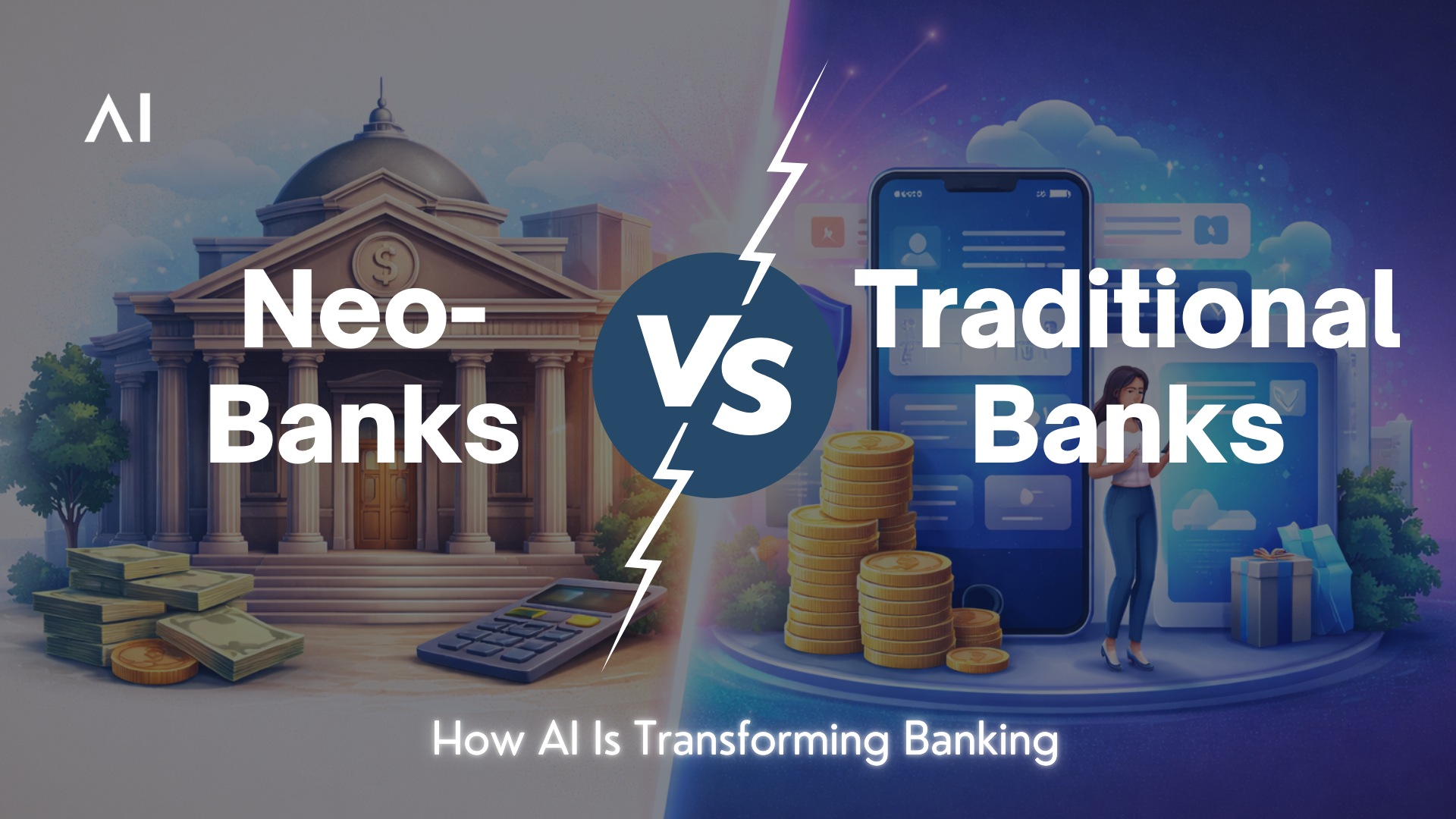
Neobanks are reshaping the financial industry by offering app-first banking experiences designed around speed, simplicity, and lower fees. Younger users especially prefer mobile banking platforms that eliminate paperwork, long queues, and outdated interfaces.
Traditional banks are feeling the pressure.
What Is a Neobank?
A neobank is a digital-only financial platform that operates primarily through mobile apps and web services.
Most neobanks do not maintain physical branches.
Instead, they focus heavily on:
- Mobile user experience
- Instant onboarding
- Low-cost banking
- Faster transactions
- Smart budgeting tools
This model significantly reduces operational expenses.
Why Consumers Are Moving Toward Digital Banks
People want convenience.
That sounds obvious, but convenience now drives financial decisions more than brand legacy.
Opening an account in minutes matters.
Instant spending alerts matter.
Fee transparency matters.
Consumers increasingly compare banking apps the same way they compare streaming services or shopping platforms.
Features Driving Neobank Growth
Faster Account Setup
Traditional banks often require lengthy verification processes.
Neobanks streamline onboarding using digital KYC systems.
Better Mobile Experience
Many legacy banking apps still feel outdated.
Fintech companies built their platforms for smartphones first.
Lower Fees
Neobanks often eliminate:
- Monthly maintenance fees
- International transfer fees
- Minimum balance penalties
Smart Financial Insights
Users receive:
- Spending analytics
- Budget tracking
- Automated savings tools
- Real-time alerts
This creates stronger engagement.
How Traditional Banks Are Responding
Large financial institutions are investing heavily in digital transformation.
Many are:
- Launching app-first services
- Acquiring fintech startups
- Expanding AI-powered banking tools
- Improving online customer support
Competition is intensifying quickly.
Security Concerns Around Digital Banking
Consumers still worry about security.
That concern is understandable.
Financial platforms face constant cyber threats.
Modern fintech companies now invest aggressively in:
- Biometric authentication
- AI fraud detection
- Device monitoring
- End-to-end encryption
Security has become a major competitive differentiator.
Neobanks Are Expanding Beyond Basic Banking
Many digital banking platforms now offer:
- Stock investing
- Cryptocurrency access
- Buy now, pay later systems
- Small business banking
- International transfers
- Embedded insurance
The line between fintech apps and full financial ecosystems continues shrinking.
Markets Seeing Massive Neobank Growth
Growth remains especially strong in:
- United States
- India
- Brazil
- United Kingdom
- Indonesia
- Mexico
Mobile-first populations are accelerating adoption globally.
Final Thoughts
Neobanks are changing consumer expectations across the financial industry.
The future of banking is becoming faster, more mobile, and increasingly software-driven. Traditional institutions still hold enormous influence, but fintech challengers continue reshaping how people interact with money every day.
This competition is pushing the entire banking sector toward modernization.
Consumers are the biggest winners.